
How to Stop Your Dog Digging in the Garden: 7 Practical Solutions
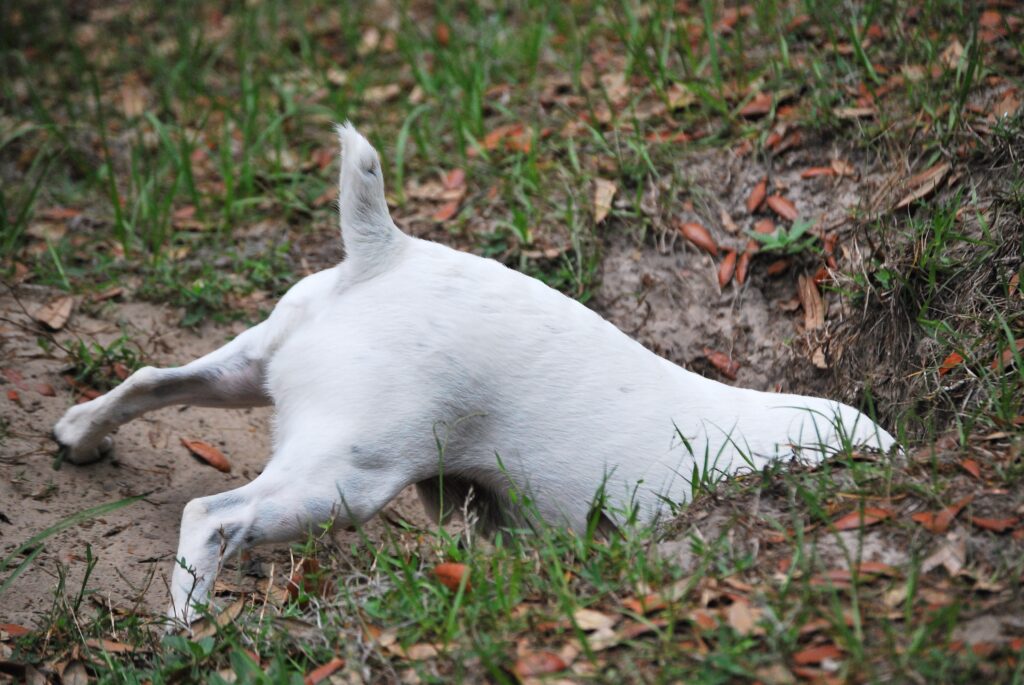
How to Stop Your Dog Digging in the Garden
Many dog owners struggle with damaged lawns and flower beds because their pet constantly digs holes. If you are trying to stop your dog digging in the garden, the key is understanding why dogs dig and addressing the underlying cause.
Digging is a natural behavior for dogs. However, with the right training and environmental adjustments, you can protect your garden while keeping your dog happy.
Why Dogs Dig in the Garden
Before you can stop the behavior, it is important to identify the reason behind it.
Common causes include:
Boredom
Dogs that do not receive enough physical or mental stimulation often dig to entertain themselves.
Hunting Instincts
Dogs sometimes dig because they smell insects, rodents, or other animals beneath the soil.
Cooling Down
On hot days, dogs may dig holes to lie in cooler soil.
Anxiety or Stress
Dogs experiencing stress or separation anxiety may dig as a coping behavior.
Understanding the motivation helps you choose the most effective solution.
1. Increase Exercise and Playtime
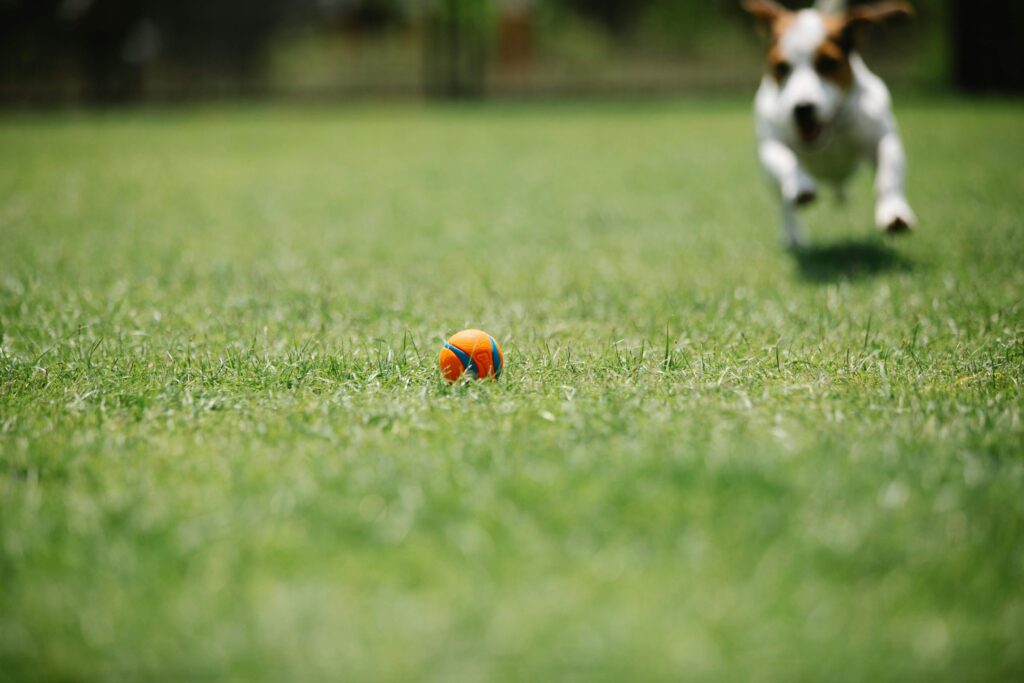
A tired dog is far less likely to dig.
Many dogs dig simply because they have excess energy. Increasing daily exercise can significantly reduce destructive behaviors.
Ideas include:
- Longer daily walks
- Backyard fetch sessions
- Puzzle toys for mental stimulation
- Training games
Regular activity keeps your dog physically and mentally satisfied.
2. Create a Designated Digging Area
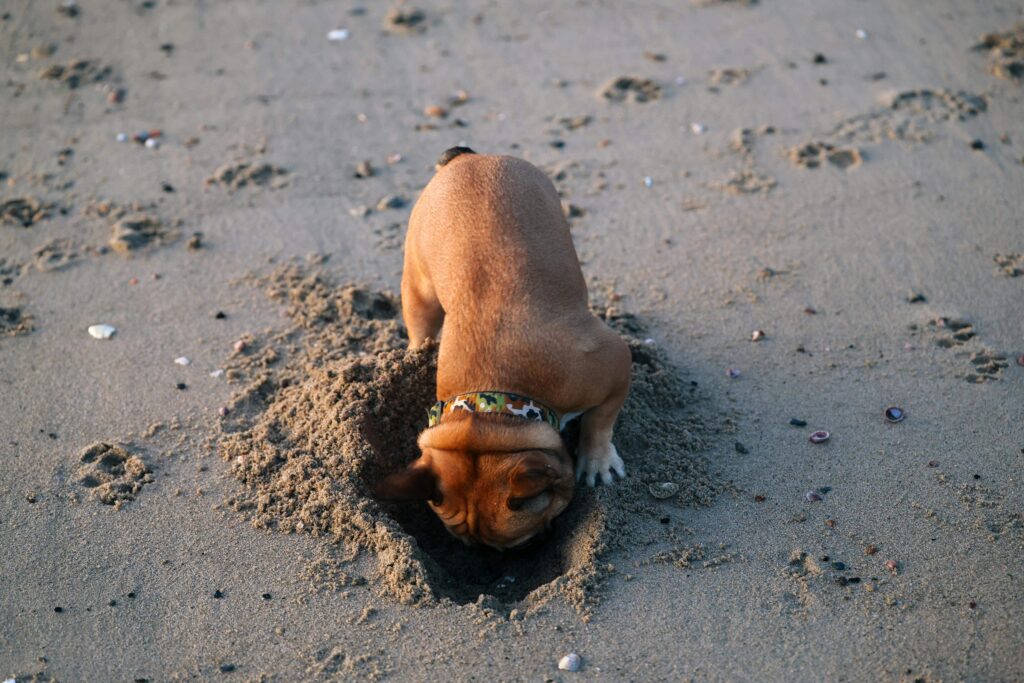
Instead of stopping digging completely, you can redirect the behavior.
Create a designated digging area such as a sandpit or soft soil zone.
To encourage your dog to use this area:
- Bury toys in the sand
- Reward digging in the correct spot
- Redirect your dog when they dig elsewhere
This approach satisfies natural digging instincts while protecting your garden.
3. Remove Attractive Smells
If your dog is digging because of underground smells, reducing these triggers can help.
Possible solutions:
- Remove fallen food or compost
- Secure garbage bins
- Use natural pest control to reduce rodents
Less scent stimulation means fewer reasons to dig.
4. Provide Shade and Cooling Areas
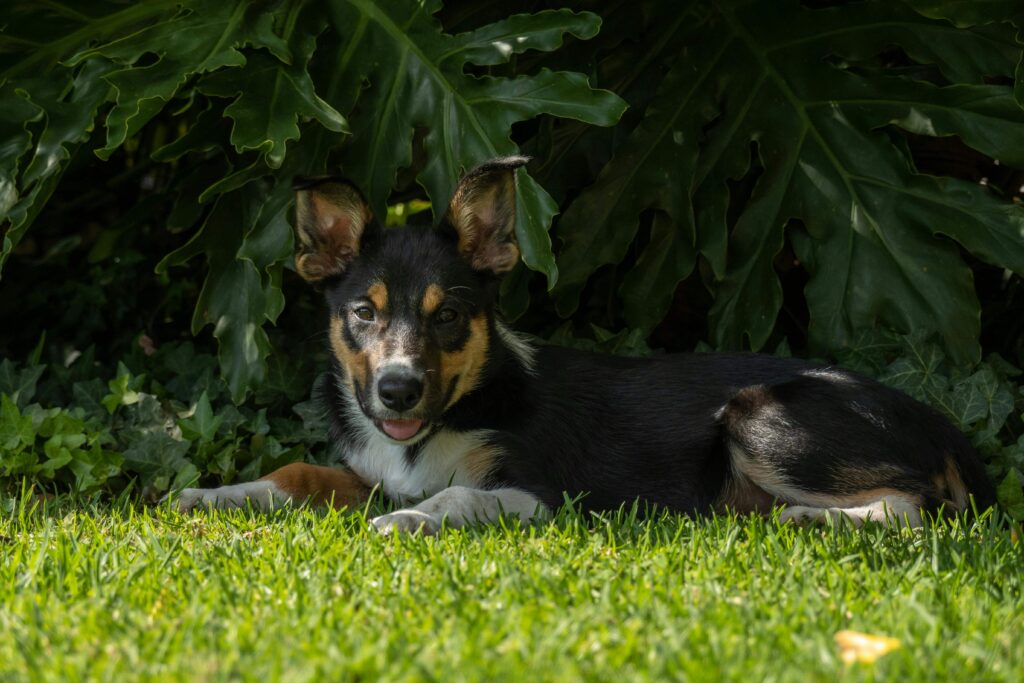
Dogs sometimes dig holes simply to escape the heat.
Ensure your dog has access to:
- shaded areas
- fresh water
- cooling mats or shaded beds
Providing cooler resting spaces may reduce digging during warm weather.
5. Protect Sensitive Garden Areas
If certain parts of your garden are being destroyed, consider temporary barriers.
Options include:
- garden fencing
- raised garden beds
- decorative border barriers
Physical protection allows plants to recover while you work on training.
6. Address Anxiety or Stress
Some dogs dig when they are anxious, especially when left alone for long periods.
Ways to reduce anxiety include:
- enrichment toys
- leaving calming background noise
- maintaining a predictable routine
In severe cases, consulting a professional dog trainer may be helpful.
7. Reward Good Behaviour

Positive reinforcement is one of the most effective training methods.
Whenever your dog plays calmly in the yard without digging:
- give praise
- offer treats
- reward calm behaviour
Dogs repeat behaviors that lead to rewards.
Preventing Future Digging Problems
Consistency is essential when trying to stop dog digging in the garden.
The most effective approach combines:
- exercise
- enrichment
- environmental adjustments
- positive training
Over time, your dog will learn that digging in certain areas is not acceptable.
Conclusion
Trying to stop your dog digging in the garden can be frustrating, but it is a common problem with practical solutions.
By understanding why dogs dig and providing appropriate outlets for their energy and instincts, you can protect your lawn while keeping your dog happy and stimulated.
Small adjustments to your dog’s routine and backyard environment often make a significant difference.