
Ultimate Guide to Dog Health and Nutrition: How to Feed Your Dog for a Healthier Life

Introduction
Dog health and nutrition are the foundation of a happy, active life for your furry companion. A healthy dog starts with proper nutrition, and just like humans, dogs thrive when their bodies receive the right balance of nutrients, hydration, and care. Yet with countless food brands, diet trends, and conflicting advice online, choosing the best nutrition plan for your dog can feel overwhelming.
At Habitat Hound, we believe smarter homes lead to happier dogs—and nutrition plays a vital role in your dog’s overall well-being. This guide breaks down dog health and nutrition in a simple, practical way so you can confidently make better choices for your furry companion.
Why Dog Nutrition Matters
Nutrition affects every aspect of your dog’s health, including:
- Energy levels and activity
- Coat and skin health
- Digestion and gut health
- Immune system strength
- Joint and bone health
- Longevity and quality of life
Poor nutrition can contribute to obesity, allergies, digestive problems, and chronic illness. Feeding your dog well isn’t about trends—it’s about balance, consistency, and understanding your dog’s unique needs.
Understanding Your Dog’s Nutritional Needs
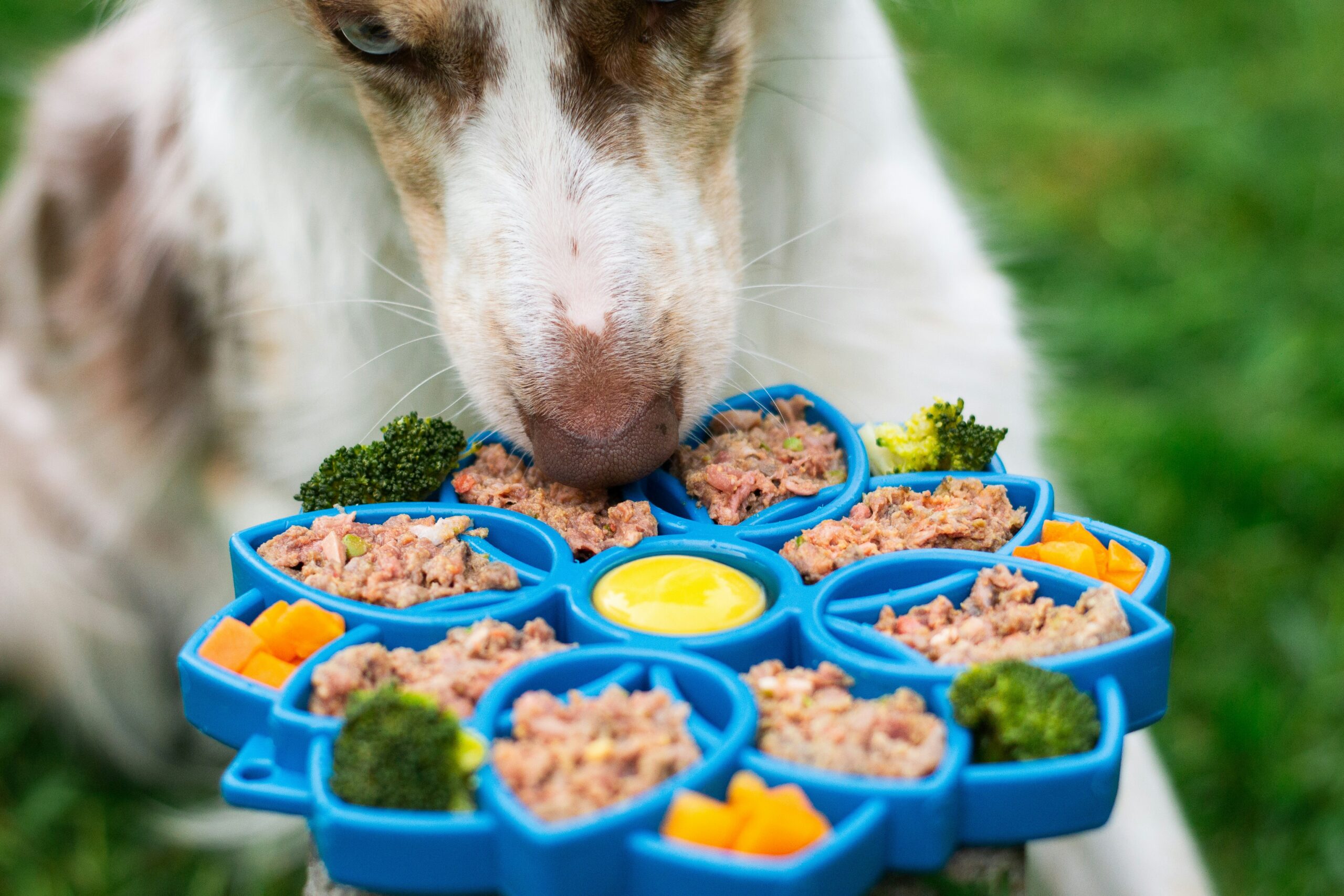
1. Protein: The Foundation
Protein is essential for muscle development, tissue repair, and immune health. Dogs are omnivores but thrive on high-quality animal-based protein.
Good protein sources include:
- Chicken, turkey, beef, lamb
- Fish (salmon, sardines)
- Eggs
Look for foods where a named meat source is listed as the first ingredient.
2. Healthy Fats for Energy & Skin
Fats provide concentrated energy and support brain function, joint health, and a shiny coat.
Healthy fats to look for:
- Omega-3 and Omega-6 fatty acids
- Fish oil
- Flaxseed
- Chicken fat (clearly labeled)
Avoid foods with vague labels like “animal fat”.
3. Carbohydrates: Quality Over Quantity
Carbs aren’t bad—but quality matters. Whole-food carbohydrates provide energy and fiber for digestion.
Better carb sources include:
- Sweet potatoes
- Brown rice
- Oats
- Pumpkin
- Lentils
Avoid excessive fillers like corn syrup, refined wheat, and artificial starches.
4. Vitamins & Minerals
Dogs need a balanced mix of vitamins and minerals to support bone strength, organ function, and immunity. Many reputable dog foods meet AAFCO nutrient profiles, which are widely used internationally as a baseline for complete and balanced nutrition.
Dry Food, Wet Food, or Fresh Diet?
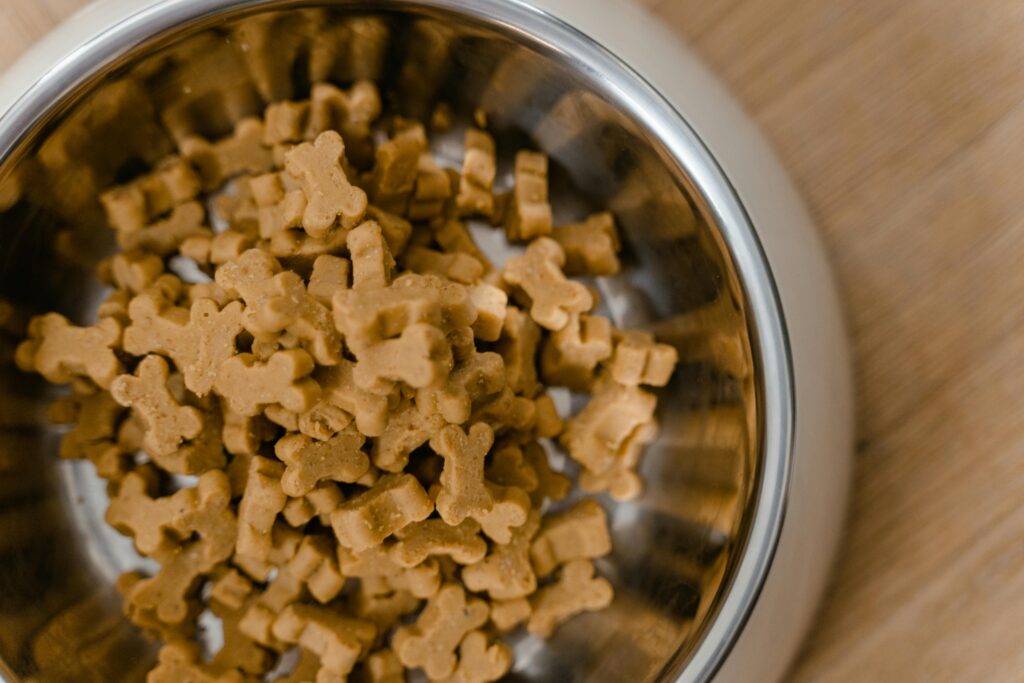
Dry Food (Kibble)
✔ Convenient and affordable
✔ Helps reduce plaque buildup
✖ Can be highly processed
Wet Food
✔ Higher moisture content
✔ More palatable for picky eaters
✖ More expensive, shorter shelf life
Fresh or Homemade Diets
✔ Full ingredient control
✔ Often more digestible
✖ Requires veterinary guidance
Best approach: Many pet parents combine high-quality kibble with wet food or fresh toppers for balance.
Common Dog Nutrition Mistakes to Avoid
- Overfeeding treats and table scraps
- Ignoring portion sizes
- Switching foods too quickly
- Feeding human foods that are toxic (grapes, onions, chocolate)
- Falling for marketing buzzwords without checking ingredients
Free Download:
Keeping track of all these nutrition basics can be tricky. To make it easier, we’ve created a simple, printable Dog Nutrition Basics Checklist you can use daily.
Download the free checklist here:
https://habitathound.com/free-dog-nutrition-checklist
Special Nutrition Needs
Your dog’s diet should evolve with age and lifestyle.
- Puppies: Higher protein and calories
- Adult dogs: Balanced maintenance diet
- Senior dogs: Joint support, fewer calories
- Active breeds: Higher energy and protein
- Dogs with allergies: Limited-ingredient diets
Always consult a veterinarian before making major dietary changes.
Hydration Is Nutrition Too

Fresh, clean water is just as important as food. Dehydration can cause serious health issues, especially in warm climates or active dogs.
Tip: Use stainless steel or ceramic bowls and clean them daily.
Final Thoughts
Feeding your dog well doesn’t require perfection—it requires awareness. By choosing quality ingredients, avoiding common mistakes, and tailoring nutrition to your dog’s needs, you’re investing in their long-term health and happiness.
If you want a quick reminder of what to look for and what to avoid, don’t forget to grab our free Dog Nutrition Basics Checklist—it’s designed to help you make better feeding decisions without the overwhelm.
Disclaimer: This content is for informational purposes only and is not intended to replace professional veterinary advice. Always consult a qualified veterinarian regarding your dog’s health, diet, or medical needs.