
2026 Home Improvement Trends: What to Upgrade (and What to Skip) This Year
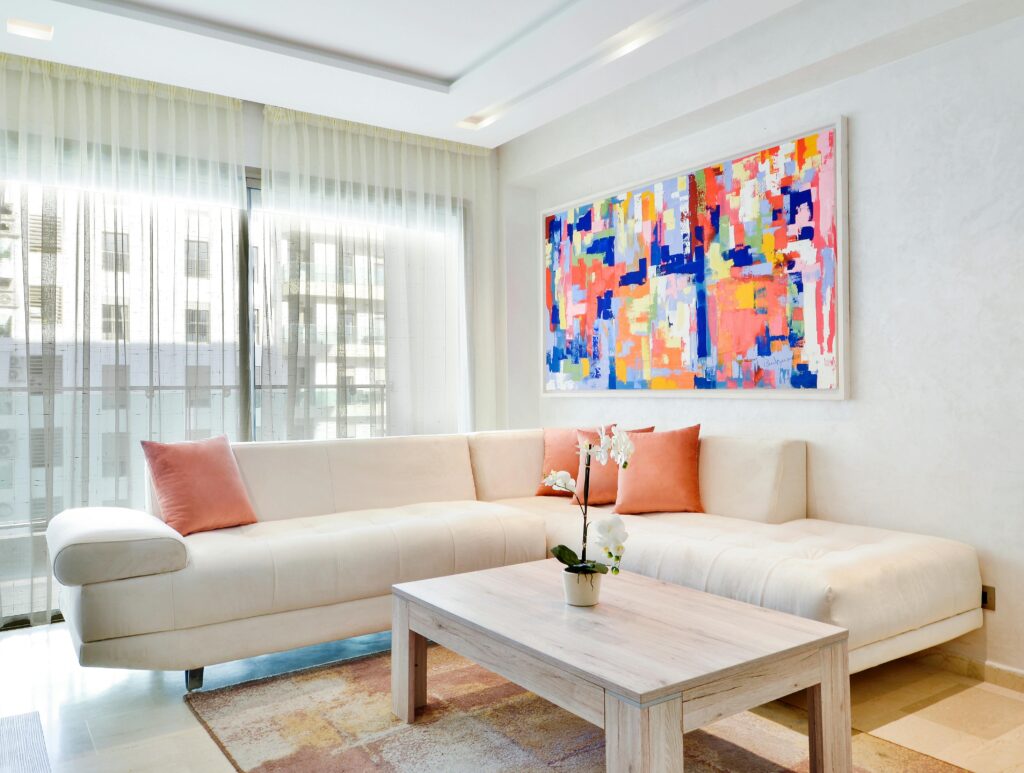
As 2026 begins, homeowners are thinking more intentionally about where to invest their time and money. Rising costs, changing lifestyles, and a stronger focus on comfort and efficiency mean that not every trend is worth following. The smartest home improvements in 2026 balance long-term value, everyday function, and timeless design while avoiding upgrades that may quickly feel dated or unnecessary.
If you are planning home improvements this year, here is a clear breakdown of what is worth upgrading in 2026 and what you are better off skipping.
What to Upgrade in 2026
Energy-Efficient Improvements That Lower Monthly Costs
Energy efficiency continues to be one of the most valuable home improvement trends in 2026. Homeowners are prioritizing upgrades that reduce utility bills and improve comfort year-round.
High-impact upgrades include improved insulation, energy-efficient windows, smart thermostats, and upgraded HVAC systems. These improvements may not be the most visually exciting, but they consistently deliver strong returns and long-term savings.
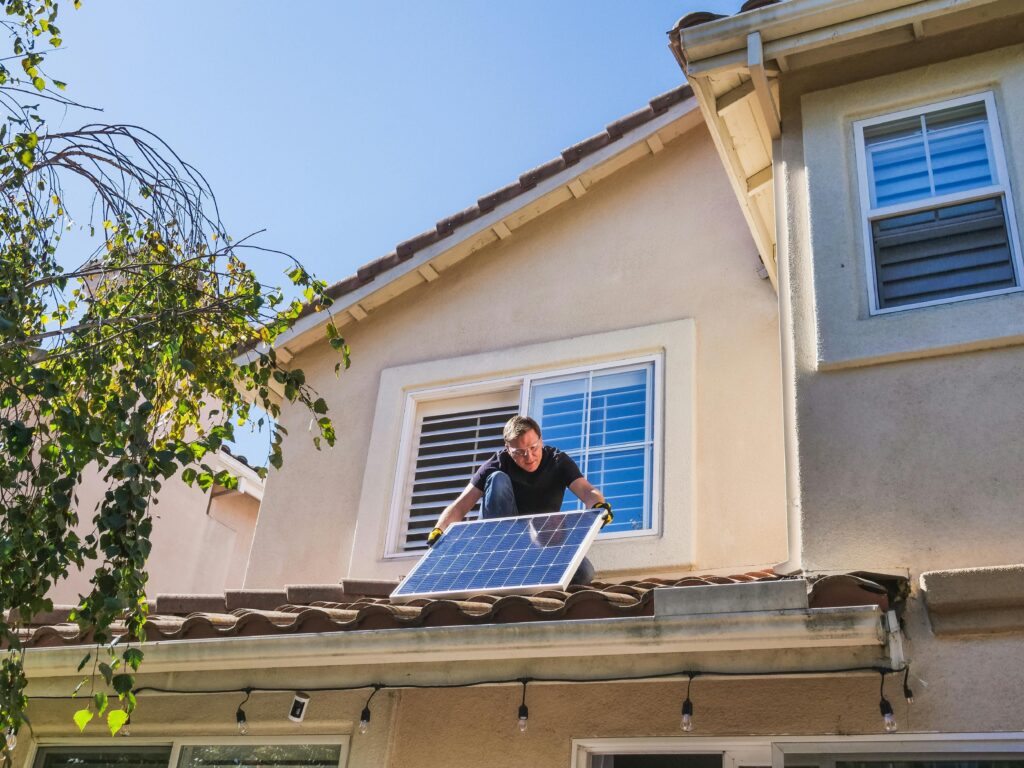
Installing solar is a growing priority for homeowners in 2026 as energy costs continue to rise and sustainability becomes a key home value driver. Adding a solar system can significantly reduce monthly utility bills, increase home efficiency, and boost resale appeal. Homes with solar installation are increasingly attractive to buyers, making this upgrade both a practical and forward-thinking investment.
From a resale standpoint, energy-efficient homes remain highly desirable, making solar installation a smart foundation for any home improvement plan.
Kitchen Updates That Improve Function Over Style
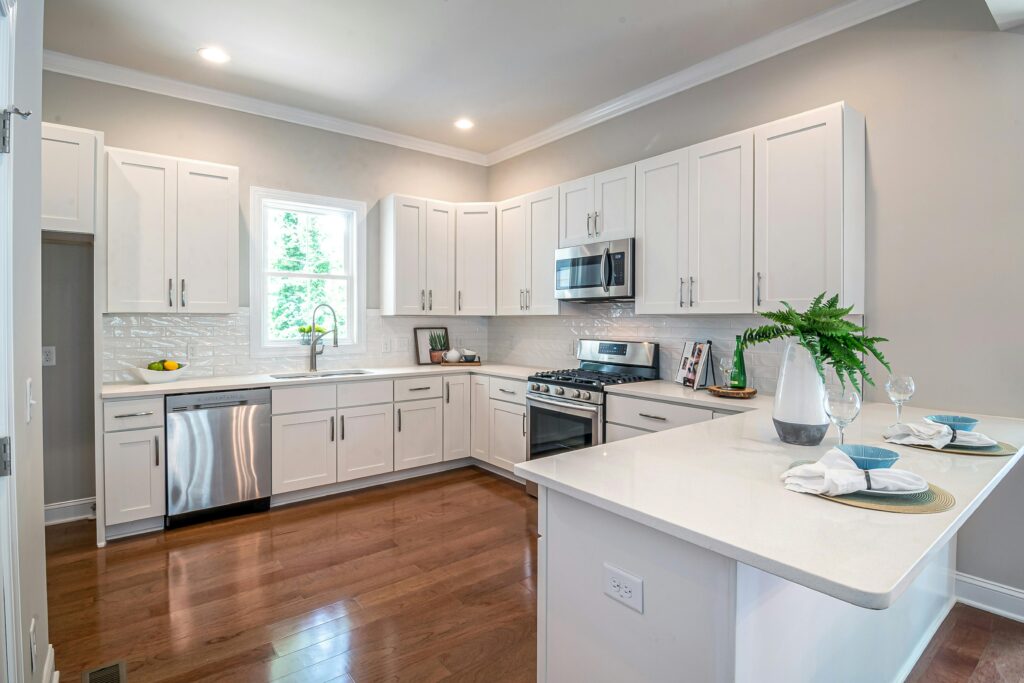
In 2026, kitchen renovations are shifting away from full remodels and toward strategic upgrades. Homeowners are focusing on function, durability, and storage rather than dramatic design statements.
Worthwhile kitchen upgrades include improved storage solutions such as deep drawers, pull-out pantry systems, and built-in organizers. Appliance upgrades that prioritize efficiency and reliability over novelty are also trending.
Cabinet refacing, hardware updates, and improved lighting are popular alternatives to full replacements. These changes refresh the space without the cost or disruption of a complete renovation.
The trend is clear: kitchens should work better first and look better second.
Flexible Living Spaces for Real Life
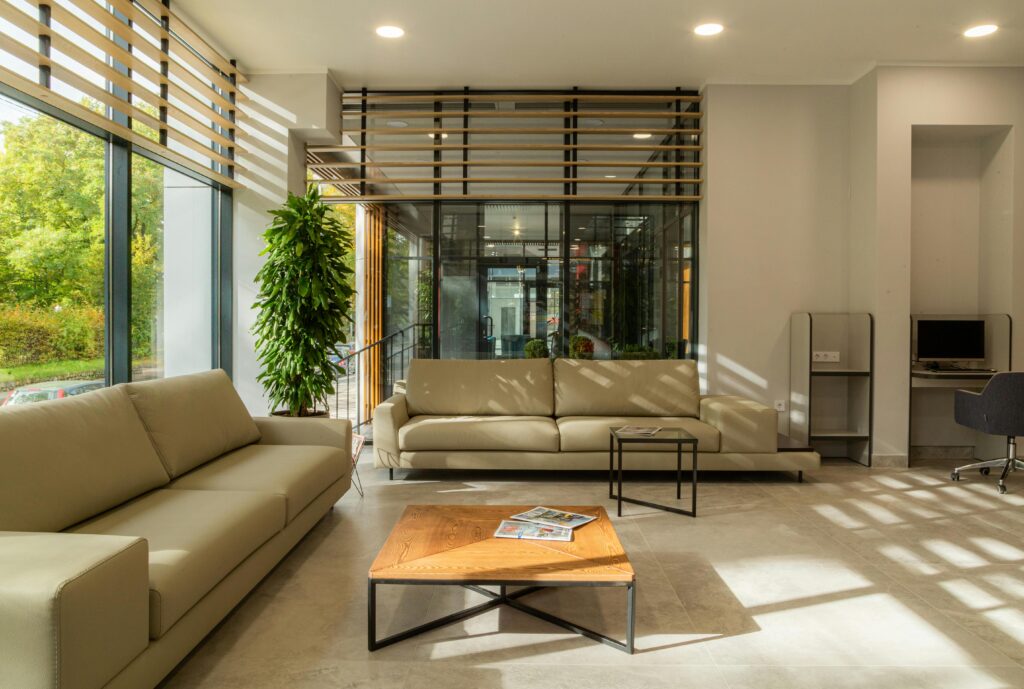
Homes in 2026 are designed to adapt. Multi-purpose rooms continue to be a top home improvement trend as families juggle remote work, hobbies, guests, and downtime within the same space.
Upgrades that support flexibility include movable room dividers, built-in storage that hides clutter, and furniture layouts that can change with minimal effort. Finished basements, attic conversions, and bonus rooms are increasingly designed for multiple uses rather than a single purpose.
Instead of dedicating a room to one function, homeowners are upgrading spaces to evolve with their needs over time.
Durable, Low-Maintenance Materials
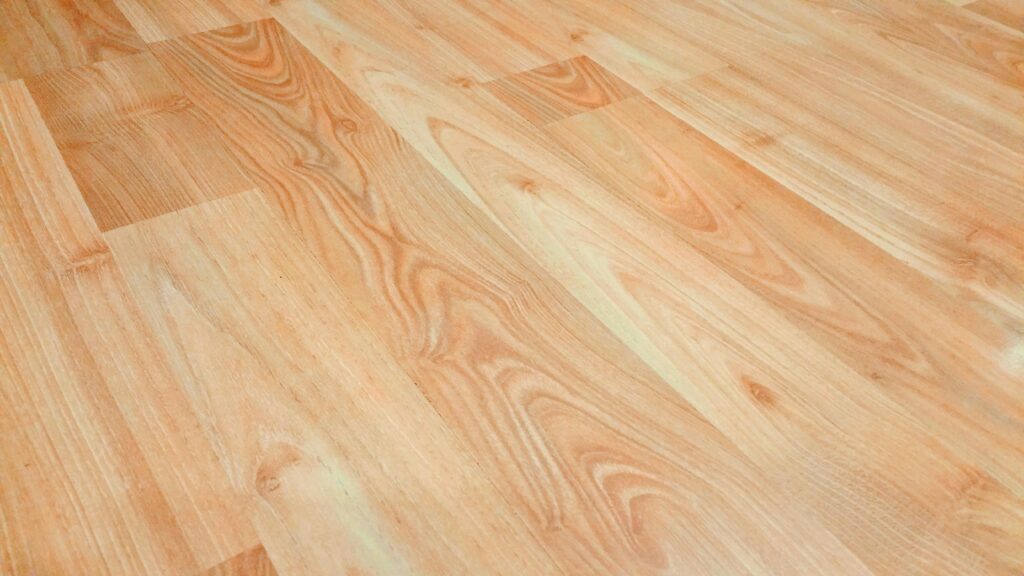
Another strong home improvement trend for 2026 is investing in materials that last longer and require less upkeep. Homeowners are prioritizing practicality over delicate finishes.
Examples include engineered hardwood or high-quality luxury vinyl flooring, quartz or porcelain countertops, and washable wall paints. These materials are designed to handle daily wear while maintaining a polished appearance.
This trend reflects a growing preference for homes that are easier to maintain without sacrificing style.
What to Skip in 2026
Ultra-Trendy Design Choices
While trends can be inspiring, overly specific design choices are among the biggest upgrades to avoid in 2026. Highly distinctive tile patterns, bold color statements in permanent fixtures, and novelty materials may feel exciting now but can quickly feel outdated.
Instead of committing to trends in permanent features like flooring or cabinetry, homeowners are using décor, paint, and textiles to experiment safely. This approach allows for flexibility without expensive reversals later.
Timeless design continues to outperform trend-heavy homes in both resale value and long-term satisfaction.
Expensive Smart Home Features With Limited Use
Smart home technology is still evolving, but not every smart upgrade is worth the investment. In 2026, homeowners are becoming more selective about which features truly add convenience.
Complex systems that require frequent updates, subscriptions, or professional maintenance are increasingly viewed as unnecessary. If a smart feature does not clearly improve daily life, it is often skipped in favor of simpler solutions.
Focus on proven smart upgrades like thermostats and lighting controls rather than experimental technology.
Luxury Upgrades That Do Not Match the Neighborhood
Over-improving a home remains a common mistake. High-end upgrades such as spa-level bathrooms, luxury outdoor kitchens, or custom features that exceed neighborhood norms may not provide a return on investment.
In 2026, homeowners are advised to upgrade within the context of their location and market. Improvements should align with comparable homes nearby to ensure value retention.
Practical, well-executed upgrades often outperform luxury additions when it comes time to sell.
Full Renovations Without a Clear Plan
One of the biggest trends in 2026 is intentional planning. Rushing into large-scale renovations without a clear budget, timeline, or goal often leads to frustration and overspending.
Instead of tearing everything out at once, homeowners are breaking projects into phases. This allows for better financial control and more thoughtful design decisions.
Skipping impulsive renovations is often the smartest improvement choice of all.
How to Decide What Is Right for Your Home in 2026
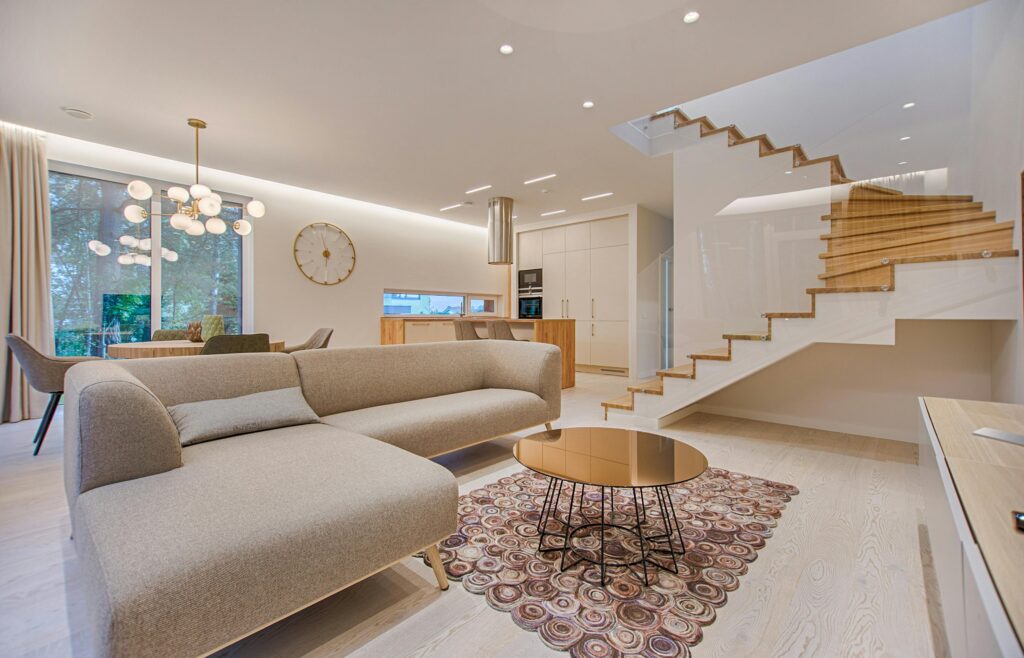
The best home improvements are not about following every trend but choosing upgrades that fit your lifestyle, budget, and long-term plans. Ask yourself how long you plan to stay in your home, which spaces you use most, and what problems you want to solve.
In 2026, successful home improvement is about balance. Invest in upgrades that improve efficiency, comfort, and flexibility. Skip trends that sacrifice function or longevity for short-term appeal.
With thoughtful planning, your home improvements this year can feel just as valuable in the years ahead.